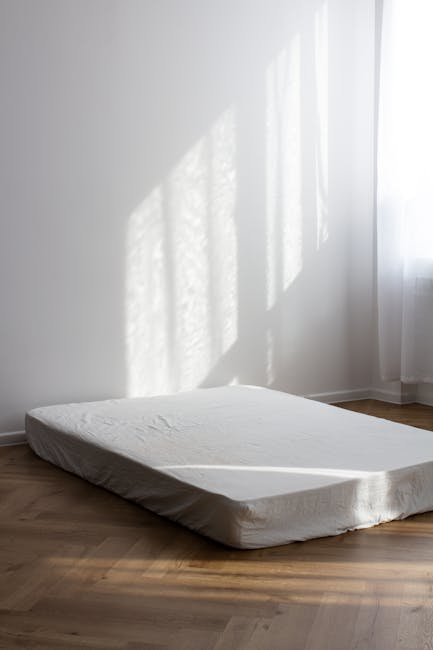
Claridge's-area mattress disposal options in Mayfair
If you are dealing with an old mattress near Claridge's, you are probably not looking for a long lecture. You just want it gone, safely, quietly, and without turning a narrow Mayfair street into a minor drama. That is fair enough. The good news is that Claridge's-area mattress disposal options in Mayfair are more flexible than many people expect, whether you are clearing a hotel suite, a serviced apartment, a flat, or a managed property with awkward access and very little lift space.
This guide breaks down the practical routes, what each option suits best, how the process usually works, what to watch out for, and how to avoid the common headaches people run into with bulky waste. You will also find a comparison table, a checklist, and some plain-English compliance guidance so you can make a clean decision. Not flashy. Just useful.
Table of Contents
- Why Claridge's-area mattress disposal options in Mayfair Matters
- How Claridge's-area mattress disposal options in Mayfair Works
- Key Benefits and Practical Advantages
- Who This Is For and When It Makes Sense
- Step-by-Step Guidance
- Expert Tips for Better Results
- Common Mistakes to Avoid
- Tools, Resources and Recommendations
- Law, Compliance, Standards, or Best Practice
- Options, Methods, or Comparison Table
- Case Study or Real-World Example
- Practical Checklist
- Conclusion
- Frequently Asked Questions
Why Claridge's-area mattress disposal options in Mayfair Matters
Mattress disposal sounds simple until you actually try to move one through a central London property with tight hallways, concierge rules, timed access slots, and not much tolerance for mess. In the Claridge's area, that reality matters. Mayfair buildings often have a mix of older architecture, luxury apartments, boutique hotels, and serviced residences, which means the disposal route has to fit the building as much as the waste itself.
A mattress is also not like a bag of household rubbish. It is bulky, awkward to carry, and not something you can casually leave out on the pavement and hope for the best. If handled badly, it can block access, create a nuisance, or simply be refused by the building team. And let's face it, nobody wants a mattress sat in a corridor while everyone pretends it is someone else's problem.
Choosing the right disposal option matters because it affects more than convenience. It can affect safety, property presentation, recycling outcomes, and cost. In an area like Mayfair, where access and standards tend to be higher, planning a mattress removal properly usually saves time rather than adding it.
For people handling a wider clear-out, mattress disposal often sits inside a bigger job. That is why services such as flat clearance, home clearance, or furniture disposal can be more practical than arranging the mattress on its own. One collection, fewer moving parts. Much less faff.
How Claridge's-area mattress disposal options in Mayfair Works
At a practical level, mattress disposal usually works in one of four ways: a local collection service, a council route if available and suitable, a retailer take-back arrangement when buying a replacement, or a broader clearance service that includes other items too. In Mayfair, the first and fourth options are often the most convenient because they handle access issues and timing more smoothly.
Here is how it typically unfolds. You contact a provider, describe the mattress type and access conditions, and agree a collection time. If the mattress needs to come down stairs, out of a narrow lift, or through a concierge-controlled entrance, that detail matters a lot. Good providers will ask about this early because it changes the manpower and vehicle planning.
Once booked, the mattress is collected from the agreed point. Reputable teams aim to keep the route tidy and avoid damage to common areas. If the mattress can be recycled or broken down for material recovery, that is usually the preferred route. Many modern mattress disposal services separate components where feasible, which is generally better than sending everything straight to landfill. You can read more about the wider sustainability approach on the site's recycling and sustainability page.
If you are disposing of more than one bulky item, or the mattress is part of a room refresh, it can make sense to combine the job with a broader furniture clearance or even a full house clearance. That usually keeps the process more efficient and may reduce the number of separate visits. Simple, really.
Key Benefits and Practical Advantages
The main benefit is obvious: the mattress disappears without you needing to wrestle it down a staircase or figure out where it can legally be left. But there are other advantages worth thinking about, especially in a premium area like Mayfair.
- Less disruption: A planned collection reduces noise, corridor congestion, and awkward handling in shared spaces.
- Better presentation: Important in managed buildings, hotels, and high-end flats where first impressions matter.
- Safer lifting: Mattresses are larger and less predictable than they look. They catch on bannisters, shoulders, and door frames. Annoying at best, risky at worst.
- Cleaner recycling outcomes: A proper disposal route can support reuse or component recovery where possible.
- Time savings: You avoid multiple trips, bins that are too small, or waiting around for the wrong collection day.
There is also a quiet practical benefit that gets overlooked: reducing decision fatigue. If you are already coordinating a room turnover or property refresh, one reliable collection can remove a surprisingly stressful item from the to-do list. That matters more than people admit.
For landlords, hosts, facilities teams, and private residents alike, a well-planned collection also means fewer complaints from neighbours or building staff. If a mattress sits in a shared hallway, even briefly, it tends to become everyone's problem. Better to avoid that entirely.
Who This Is For and When It Makes Sense
This topic is relevant for a few very different groups, and the needs are not quite the same for each one. A resident replacing a single bed in a one-bedroom flat will usually want speed and affordability. A hotel or serviced apartment manager may care more about discretion, access coordination, and bulk collection timing. A landlord may be balancing tenant handover deadlines and property condition. Same object, different headache.
You are likely to need mattress disposal in the Claridge's area if you are:
- Replacing an old or damaged mattress in a flat or house
- Preparing a rental property or serviced apartment for the next occupant
- Clearing a guest room, staff room, or hospitality suite
- Managing a refurbishment, room reset, or deep clean
- Handling a mattress that is stained, worn out, or no longer hygienic
- Removing mixed bulky waste alongside other furniture
It also makes sense when the mattress is too awkward for you to move safely or when building rules make DIY disposal more trouble than it is worth. In central London, the time spent negotiating access, parking, and lift bookings can easily outweigh the cost of a proper collection. Especially if you are busy. Especially if the concierge is already dealing with a dozen other requests.
If your situation involves several rooms or a larger property turnover, it may be worth looking at flat clearance or office clearance if the premises is partly commercial or staff accommodation. The right service depends on the context, not just the mattress itself.
Step-by-Step Guidance
Here is a straightforward way to handle mattress disposal without overcomplicating things. You do not need a perfect system. You need a workable one.
- Confirm the mattress type and size. Single, double, king, super king, sofa bed mattress, or mattress topper each creates different handling needs.
- Check access. Note stairs, lift size, corridor width, parking restrictions, concierge rules, and any time windows for collection.
- Decide whether it is a standalone job or part of a wider clearance. If you also have bed frames, headboards, or other furniture, a broader collection may be better value.
- Choose the disposal route. Consider collection service, retailer take-back, or a clearance company depending on urgency and access.
- Prepare the mattress. Remove bedding, confirm it is dry, and make sure pathways are clear. A clean route makes a big difference.
- Book the slot and share the practical details. Be specific. If the mattress has to come from the fifth floor through a service lift, say so upfront.
- Keep an eye on building requirements. Some buildings require advance notice, insurance details, or booking confirmation. Worth checking.
- After collection, check the area. Make sure there is no damage, debris, or forgotten packing material.
A small but useful point: if you are replacing the mattress with a new one, schedule the disposal to happen just before or at the same time as delivery. That avoids the awkward "where do we put the old one until the new one arrives?" moment. Everybody has seen that scene, and nobody enjoys it.
Expert Tips for Better Results
After enough bulky waste jobs, a few patterns become clear. The best outcomes usually come from the simplest preparations, not the most elaborate ones.
- Measure doorways and lifts before collection day. It sounds obvious, but mattresses have a way of looking smaller in the bedroom than they do in the hallway.
- Photograph access points if you are unsure. A quick image of the entrance, stairwell, or loading point can save a lot of back-and-forth.
- Keep the route dry and clear. In a London property, wet floors, umbrellas, and hallway clutter are common enough. They slow everything down.
- Ask about reuse and recycling options. Not every mattress can be reused, but many can be handled more responsibly than a straight skip-and-forget approach.
- Bundle similar items together only if it makes sense. A bed frame, mattress, and bedside tables may be best handled in one go. One lamp, one mattress, and a broken chair? Maybe not always.
- Use a provider that understands local access pressures. Central London work is different from suburban collections. The buildings alone change the game.
If you are arranging disposal in a managed property, ask the building team what they want in advance. Some concierges prefer a narrow collection window. Others want the vehicle to wait on a nearby street only. A little coordination goes a long way. To be fair, this is one of those areas where planning feels boring right up until it saves you an hour.
For broader domestic projects, the same approach applies to home clearance and loft clearance. If you are already lifting heavy items out of storage or upstairs rooms, professional help is usually the calmer path.
Common Mistakes to Avoid
Most mattress disposal problems come from rushing. Not always, but often. The good news is that the avoidable mistakes are pretty consistent.
- Leaving the mattress in a communal area too early. That can create a fire-safety issue, a nuisance, or simply a complaint from neighbours.
- Assuming every provider handles awkward access automatically. They do not. Some need advance notice for stairs, lifts, or restricted parking.
- Forgetting about weather and cleanliness. A damp mattress is heavier, messier, and generally less pleasant for everyone involved.
- Not checking whether the collection is for one item or multiple bulky items. Hidden assumptions lead to awkward price changes later.
- Trying to move a large mattress alone. It is one of those jobs people underestimate. Then the mattress catches the corner, tilts, and suddenly your hallway feels much smaller.
- Ignoring recycling or reuse opportunities. If the mattress is suitable for responsible processing, it is worth asking.
Another mistake is choosing a service on price alone and then discovering that the cheapest option is the one that struggles with access, timing, or communication. Cheap and convenient do not always travel together. Unfortunately.
Tools, Resources and Recommendations
You do not need specialist tools for a basic mattress collection, but a few simple items make the process smoother.
- Measuring tape: Useful for doors, lift openings, stairwells, and mattress dimensions.
- Protective cover or sheet: Helps keep the mattress cleaner while moving through common areas.
- Access notes: A short written summary of entry codes, concierge instructions, or loading bay details is genuinely helpful.
- Clear route plan: Especially important in buildings where the safest path is not the most obvious one.
- Booking confirmation: Handy if a building manager or concierge asks for proof.
For a broader removal job, it can help to look at the provider's service range before booking. If you are disposing of mattresses alongside old chairs, wardrobes, or soft furnishings, waste removal and furniture clearance are often the more sensible fit than a single-item collection.
If you want to understand company values, it is also reasonable to check pages like about us, pricing and quotes, and insurance and safety. They can give you a better feel for how a provider works before anyone turns up at the door.
Law, Compliance, Standards, or Best Practice
Mattress disposal sits inside ordinary waste-handling practice, so the main compliance concern is making sure the item is transferred to a legitimate disposal route and not dumped improperly. In the UK, households and businesses are expected to use responsible waste carriers and follow local collection rules where applicable. The exact practical steps can vary depending on the property type and the service used, so it is sensible to confirm the details before booking.
For shared buildings in Mayfair, there may also be internal rules about bulky waste, service lifts, loading times, and keeping communal areas clear. Those building rules matter. They are not just red tape; they help protect residents, staff, and property fabric. If you are managing a hotel or commercial property, the standards are usually even tighter, with a stronger focus on timing, cleanliness, and documentation.
Good practice usually includes:
- Using a properly organised collection route rather than informal dumping
- Keeping records or confirmation for larger or recurring removals
- Checking that the provider has appropriate insurance and works safely in communal spaces
- Separating reusable or recyclable items where practical
- Following building access procedures and not obstructing exits or corridors
If you are uncertain about responsibilities in a particular building, ask the property manager or concierge first. It is much easier to ask before collection than to explain why a mattress is wedged beside a fire door. Nobody wants that conversation.
For additional reassurance on service standards, you can also review the site's health and safety policy and terms and conditions. Those pages help set expectations around service scope, safety, and process.
Options, Methods, or Comparison Table
Different disposal methods suit different situations. A quick comparison makes the decision easier, especially if you are balancing access, urgency, and budget.
| Option | Best for | Pros | Things to watch |
|---|---|---|---|
| Dedicated mattress collection | Single mattress, urgent removal, tricky access | Fast, direct, simple to arrange | May not be best value if you also have other items |
| Furniture or bulky waste clearance | Mattress plus bed frame, chairs, or bedroom furniture | Efficient for multiple items, often better overall value | Requires clear item list and access details |
| Flat or home clearance | Room turnover, end-of-tenancy, full property refresh | Broad coverage, less coordination | May be more service than you need for one item |
| Retailer take-back | New mattress delivery with old one removed | Convenient if offered at the right time | Usually only works alongside a new purchase |
| DIY disposal route | People with vehicle access and time | Can be low direct cost | Physical effort, parking issues, and local rules can make it impractical |
For most Claridge's-area situations, the most sensible choice is the one that matches access conditions and avoids multiple trips. If the mattress is one item among several, lean toward a broader service. If it is urgent and singular, a focused collection usually wins.
Case Study or Real-World Example
Picture a serviced apartment close to Claridge's where a guest room mattress has reached the end of its life. The building has a narrow lift, a concierge desk, and a loading window in the early morning. The manager could try to handle it in-house, but that means finding staff, protecting the corridor, checking the lift size, and hoping no one needs the route at the same time.
Instead, the manager books a collection, shares the mattress dimensions, confirms the access route, and asks for the service to happen before the day's arrivals begin. The old mattress is removed quietly, the hallway remains tidy, and the replacement can come in later without the awkward overlap. No fuss. No blocked lift. No sighing from the concierge.
Now compare that with a less organised version: the mattress is left in a storage corridor "just for now," then the lift is unavailable, and someone has to move it twice. That is the sort of small operational headache that turns into a bigger one if nobody owns it. The lesson is simple. In Mayfair, timing and access are often as important as the disposal method itself.
For a similar situation in a domestic setting, the same principle applies to house clearance or flat clearance. A little coordination prevents a lot of needless lifting.
Practical Checklist
Use this quick checklist before arranging your mattress disposal. It keeps things simple, which is honestly half the battle.
- Have I measured the mattress and checked access points?
- Do I know whether this is a single item or part of a bigger clearance?
- Have I removed bedding and checked the mattress is dry?
- Have I confirmed building access rules, lift restrictions, and parking limits?
- Have I chosen the right service type for the job?
- Have I provided clear instructions to the collection team?
- Do I know what will happen to the mattress after collection if recycling is possible?
- Have I aligned the collection with delivery or room turnover timings?
- Do I have a contact point in case the schedule changes?
- Have I checked the provider's safety, insurance, and quote information?
Expert summary: In the Claridge's area, the best mattress disposal option is usually the one that fits the building, the timing, and the number of items-not just the one that looks easiest on paper.
If you are weighing up next steps and want a clear estimate first, the pricing and quotes page is a sensible place to start. If you already know you need help, the contact page makes the next step straightforward.
Conclusion
Claridge's-area mattress disposal options in Mayfair are really about making an awkward item easy to remove without disturbing the building, the neighbours, or your own schedule. For a single mattress, a direct collection may be enough. For anything involving access constraints, multiple items, or a room turnover, a broader clearance approach is often the smarter move.
The main idea is simple: plan the route, match the service to the property, and keep the process tidy. That gives you the best chance of a smooth removal and a cleaner outcome overall. And if you are dealing with a bigger refresh, the same logic works across furniture, flats, homes, and small commercial spaces. One sensible decision at a time. That is usually how the good jobs happen.
Get a free quote today and see how much you can save.
When the old mattress is finally gone and the room feels open again, it is one of those small reliefs that makes the day feel lighter. Tiny win, but still a win.
Frequently Asked Questions
What is the easiest way to dispose of a mattress near Claridge's in Mayfair?
For most people, the easiest route is a professional collection that handles access, lifting, and disposal in one visit. It is especially helpful in Mayfair where parking, lifts, and building rules can complicate DIY removal.
Can I leave a mattress outside for collection in central London?
Only if the building rules and collection arrangements clearly allow it. In shared or managed properties, leaving a mattress in a corridor or outside too early can cause access and safety problems. It is better to confirm the timing first.
Do mattress disposal services recycle old mattresses?
Some do, where the mattress condition and the service route allow it. Recycling often depends on separating materials such as foam, fabric, metal springs, and wood. It is worth asking how the item will be handled before booking.
How much does mattress disposal cost in Mayfair?
Costs vary depending on access, item size, urgency, and whether you are disposing of other furniture at the same time. A single mattress is usually simpler than a mixed bulky waste job, but exact pricing is best confirmed with a quote.
Can I include bed frames or other furniture with the mattress?
Yes, and in many cases that makes the job more efficient. If you are removing a bed frame, headboard, or other bedroom items too, a furniture or flat clearance service may be a better fit than a mattress-only collection.
What if the mattress has to come down stairs?
That is common in older buildings, but it should be mentioned when booking. Stairs affect labour, timing, and access planning. A provider that understands narrow stairwells and central London properties will usually be better prepared.
Is it better to book mattress disposal with a new mattress delivery?
Often, yes. Coordinating old mattress removal with the arrival of a new one can reduce disruption and avoid storage problems. It is a neat way to keep the room usable without a strange in-between stage.
What should I do before collection day?
Remove bedding, confirm the mattress is dry, clear the route, and make sure access details are ready. If there is a concierge or building manager involved, tell them the collection time in advance.
Do I need to be present during the collection?
That depends on the property and the access arrangement. In some buildings, a concierge or authorised contact can handle entry. In others, you may need to be there to confirm the item and open the route.
Is mattress disposal different for hotels or serviced apartments?
Yes, usually. Those settings often need quieter scheduling, cleaner handover points, and more careful coordination with staff and guests. A broader service like office clearance or furniture clearance can sometimes suit hospitality environments better, depending on the room setup.
How do I know if my mattress needs special handling?
If the mattress is heavily damaged, wet, infested, or difficult to move safely, it may need extra care. Mentioning that upfront helps the collection team prepare properly and avoids surprises on the day.
Where can I find more information about the company's service standards?
You can review the site's trust and service pages, including health and safety policy, insurance and safety, and recycling and sustainability. Those pages help you understand how the service is organised and what standards to expect.
What is the best next step if I need mattress disposal soon?
Get a quote, confirm access details, and decide whether you want a standalone mattress removal or a broader clearance service. If you already know the item is ready, contacting the team sooner rather than later is usually the calmest option.