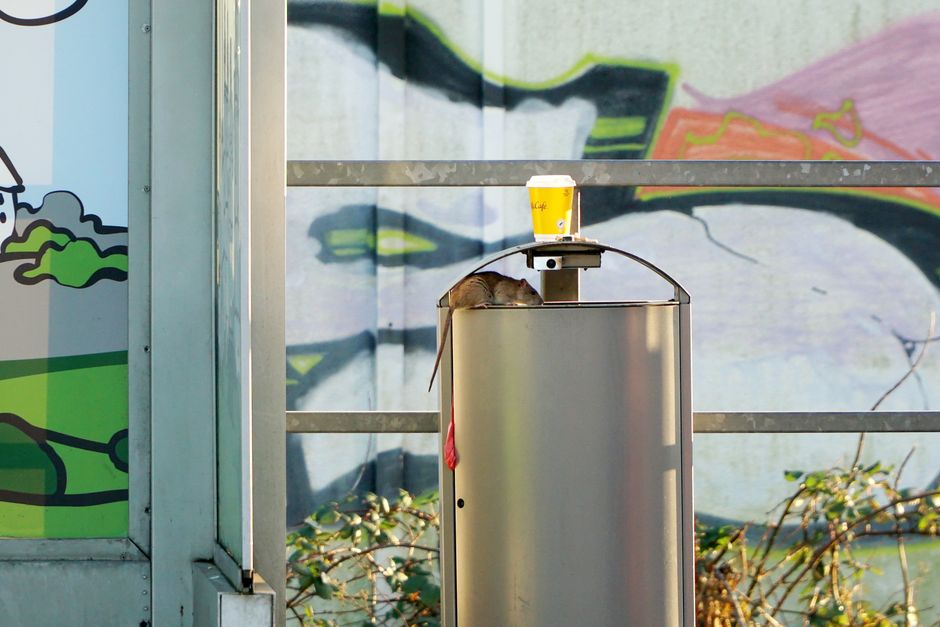
Rodent-attracting rubbish in Mayfair: what to do next
If you have noticed overflowing bags, broken bins, food scraps, or clutter left out near a Mayfair property, you already know the problem is more than unpleasant. Rodent-attracting rubbish in Mayfair can turn a tidy street into a health, hygiene, and reputational issue surprisingly fast. The good news? There is a sensible next move, and it usually starts with fast containment, the right clearance approach, and a plan that stops the mess from coming back.
In a neighbourhood where frontages matter, footfall is constant, and access can be tight, rubbish management is not just about "getting rid of stuff". It is about doing it cleanly, discreetly, and in a way that reduces the chance of pests being drawn in again. This guide explains what the problem means, why it matters, what to do next, and how to make the process easier for homes, flats, offices, and managed buildings.
Table of Contents
- Why Rodent-attracting rubbish in Mayfair: what to do next Matters
- How Rodent-attracting rubbish in Mayfair: what to do next Works
- Key Benefits and Practical Advantages
- Who This Is For and When It Makes Sense
- Step-by-Step Guidance
- Expert Tips for Better Results
- Common Mistakes to Avoid
- Tools, Resources and Recommendations
- Law, Compliance, Standards, or Best Practice
- Options, Methods, or Comparison Table
- Case Study or Real-World Example
- Practical Checklist
- Conclusion
- Frequently Asked Questions
Why Rodent-attracting rubbish in Mayfair: what to do next Matters
Rodents are drawn to easy food sources, shelter, and quiet nesting spots. Rubbish checks all three boxes if it is left too long, stored badly, or split open by foxes, gulls, or the occasional clumsy bin lid. In Mayfair, the consequences can spread beyond a single doorway. One neglected pile behind a building can affect a shared courtyard, a service alley, or several neighbouring properties.
That matters because rodents do not stay put. They follow scent trails, food residue, and access routes you might never notice during a quick daytime look. A paper cup with sauce, a takeaway box, or a bin bag with soft organic waste can be enough to keep them coming back. To be fair, most people do not realise how quickly a small waste issue becomes a pattern.
There is also the public-facing side of it. In a premium area like Mayfair, messy waste can undermine confidence in a business, a building manager, or a residential block. It looks careless. It can smell worse than it looks. And once rats or mice have found a route, getting things back to normal takes more than just a fresh bin liner.
Expert summary: the fastest way to reduce rodent pressure is to remove the food source, contain the waste properly, and clear any build-up that is hiding in plain sight. Delay usually makes the job harder, not easier.
How Rodent-attracting rubbish in Mayfair: what to do next Works
The principle is simple, even if the tidy-up is not. Rubbish attracts rodents when it provides scent, nutrition, nesting material, or cover. The issue may start with food waste, but it often grows because of mixed waste streams, blocked access to bins, overfilled containers, or items stored in a way that leaves gaps underneath or around them.
In practice, the chain often looks like this: waste builds up, a bag splits or overflows, scraps fall to the ground, rodents investigate, and the area becomes a repeat feeding spot. If there are cardboard boxes, furniture, fabric, or garden debris nearby, you have just added nesting opportunities too. Not ideal. Not remotely.
Once rodents begin using a space, they leave traces: droppings, gnawed packaging, greasy tracks, and scratching sounds at quiet times of day. You might notice movement at dawn or late evening, especially near service entrances, bin stores, basements, or rear access points. The issue is not always the size of the pile. Sometimes a small amount of poor-quality rubbish is enough because it is accessible and untreated.
That is why the next step is not just "throw it out". The next step is to remove the attractant safely, inspect the surrounding area, and reset how waste is stored and cleared. If the rubbish is in a home, a flat, or a shared building, you may also need a fuller clearance service such as home clearance or flat clearance if the volume is large or mixed with unwanted items.
Key Benefits and Practical Advantages
Acting quickly brings a few real-world advantages that are easy to underestimate until the problem is already under control.
- Reduced pest attraction: the less food residue, shelter, and clutter around, the less reason rodents have to remain nearby.
- Better hygiene: waste removal reduces odour, contamination risk, and the unpleasant feeling that the space is not properly cared for.
- Improved kerb appeal: in Mayfair, appearances matter. Clean access points and tidy bins make a strong difference.
- Less stress for occupants: nobody wants to hear scurrying in the walls at 2 a.m. or worry about a smell every time the back door opens.
- More efficient follow-up cleaning: once the rubbish is gone, cleaning and proofing become simpler and more effective.
There is another benefit that often gets missed: speed. A prompt clearance is usually less disruptive than trying to manage a growing pile while waiting for "a better time". In reality, the better time is usually now. Especially if the waste is mixed, heavy, awkward, or hard to move without risk.
If the material includes broken furniture, broken storage units, or damaged soft furnishings, removal can be paired with furniture clearance or furniture disposal so the area is reset properly rather than half-cleared and still attractive to pests.
Who This Is For and When It Makes Sense
This issue affects more people than you might think. It is not just for landlords or food businesses. If rubbish is attracting rodents, the relevant question is: who controls the space, and who can act quickly enough to stop the chain reaction?
Common situations where action makes sense
- Residential properties: overflowing household bins, stored bags in basements, or waste left in shared entrances.
- Flats and managed blocks: bin stores that are poorly maintained, especially where multiple households use the same area.
- Offices and workplaces: snack waste, cardboard build-up, kitchen overflow, or underused storage spaces that hold old clutter.
- Hospitality or retail settings: packaging, food remnants, and back-of-house waste that needs tighter handling.
- Renovation or move-out projects: mixed waste, old fixtures, packaging, and leftover material piling up faster than expected.
If you are dealing with a larger clear-out, especially one that includes old equipment, paperwork, shelving, or general clutter, a coordinated office clearance or house clearance may be the cleaner option. That way, you are not just shifting bags around; you are clearing the whole problem source.
Truth be told, people often wait until they have proof of rodents before acting. By then, the waste issue has already had time to settle in. If you are seeing repeated mess, repeated odour, or repeated bag damage, that is enough reason to move.
Step-by-Step Guidance
If you want a practical next move, use this sequence. It keeps things calm and avoids making the situation worse.
- Stop adding to the problem. Do not leave new bags beside the existing pile. Use sealed containers and keep food waste closed off immediately.
- Inspect the area carefully. Look for torn bags, spilled residue, droppings, gnaw marks, and nesting material. Check corners, under steps, behind storage, and around drains.
- Separate waste types. Food waste, recyclables, bulky items, and general rubbish should not be mixed if you can avoid it. Mixed waste is slower to handle and harder to control.
- Remove easy attractants first. Open food packaging, soft organics, and any waste that smells should be prioritised.
- Use proper collection or clearance support. If the load is bulky, awkward, or too much for standard bins, arrange a proper removal. For general mixed rubbish, waste removal is the simplest route.
- Clean the space after removal. Sweep up crumbs, wash hard surfaces, and remove lingering residue. Odour can keep attracting pests even after the visible mess has gone.
- Check access points. Bin lids, service doors, gaps under gates, and loose coverings should be looked at. A rodent only needs a small route. Annoyingly small, sometimes.
- Set a routine. Once the area is back under control, agree who checks the bins, who closes lids, and how often waste is taken out.
If the rubbish comes from a garden or outdoor storage area, do not overlook it. Dead leaves, broken pots, damp cardboard, and old outdoor furniture can all create shelter. In that case, a garden clearance may be the right reset.
Expert Tips for Better Results
In our experience, the best results come from treating waste management like prevention, not just disposal. That sounds obvious, but it is where people slip.
1. Keep food waste separate and sealed. Open bags are an invitation. Small scraps matter. So do drips, sticky containers, and takeaway packaging.
2. Do not rely on "out of sight" storage. A hidden pile in a basement or corner is still a pile. Rodents care less about aesthetics than you do.
3. Act before the pile becomes too heavy. Once bags have broken down, the clean-up slows down, and the smell is harder to shift.
4. Treat cardboard as a risk item in damp or enclosed spaces. It absorbs moisture, collapses, and makes decent nesting material. Not glamorous, but true.
5. Use the right service for the right material. Bulky clutter, old office items, or redundant furniture need a proper route out. For example, if old cabinets, chairs, and storage units are part of the issue, it may be more efficient to combine clearance with recycling and sustainability planning via recycling and sustainability.
And if you are dealing with a workplace or multi-occupancy property, build the process around access, timing, and discretion. Early morning is often easier. Fewer people. Less disruption. Fewer awkward "what happened here?" questions.
Common Mistakes to Avoid
Most pest-related rubbish problems do not start with one huge mistake. They start with a few small ones that stack up.
- Leaving bags next to bins: this is one of the fastest ways to create a feeding spot.
- Ignoring small spills: a few crumbs or a leaky carton can keep the area attractive.
- Mixing bulky waste with food waste: it slows clearance and gives rodents more shelter.
- Waiting for a "better day": rubbish problems rarely improve on their own. They usually get more stubborn.
- Only moving visible items: what is underneath matters just as much.
- Forgetting shared areas: one flat may tidy up, but the bin store or alley still keeps the issue alive.
One slightly embarrassing but common one: people clean the floor, then leave the same damaged bin in place. The new smell, the old scratches, the lingering residue - all of it still signals food and shelter. If the container itself is compromised, replace it or remove it from service.
Tools, Resources and Recommendations
You do not need a huge kit to get started, but a few basics make the job safer and less chaotic.
| Tool or resource | What it helps with | When to use it |
|---|---|---|
| Heavy-duty bags | Containing waste safely without splitting | For food waste, mixed rubbish, and awkward light items |
| Sturdy gloves | Protecting hands from sharp edges and contamination | During sorting, lifting, and clean-up |
| Bin liners and seals | Reducing odour and spill risk | For daily waste storage |
| Disinfecting cleaner | Removing residue after clearance | After the waste has been moved out |
| Clearance service | Removing bulky or mixed waste in one go | When rubbish is too much for routine collection |
For bigger clear-outs, a structured service is often the most practical choice. If you are managing old household items, storage clutter, or mixed waste that has built up over time, house clearance, loft clearance, or garage clearance may be more efficient than tackling it in stages.
If the issue is tied to an office environment, where kitchen waste, old files, and redundant furniture all coexist, business waste removal helps keep the process organised and less disruptive.
Law, Compliance, Standards, or Best Practice
Waste and pest control sit in a space where common sense, duty of care, and good building management overlap. Without getting overly legal about it, the basic expectation in the UK is that waste should be stored, handled, and removed responsibly, and that property occupiers or managers take reasonable steps to prevent avoidable hygiene issues.
For businesses, the standard is even more straightforward: waste should not be left in a condition that creates nuisance, attracts pests, or causes odour and contamination problems. For residential blocks, good management usually means regular bin collection, secure storage, and prompt action when waste storage breaks down.
You do not need to become an expert in regulations to do the right thing, but you do need a process. Keep waste contained. Avoid overflow. Remove bulky items promptly. Use insured, appropriately managed services where needed. If you are comparing providers, it is reasonable to ask about handling standards, vehicle access, and how they separate recyclable materials from general waste. A good provider should answer clearly, without fluff.
When you are dealing with potentially contaminated rubbish or very heavy items, it also helps to use a service with clear health and safety policy and insurance and safety information. That is just sensible risk management, not bureaucracy for its own sake.
Options, Methods, or Comparison Table
If you are deciding how to deal with the problem, the right option depends on the type of rubbish, the amount, and how quickly you need the space back.
| Method | Best for | Pros | Limitations |
|---|---|---|---|
| Routine bin collection only | Small, well-contained waste | Simple and familiar | Not enough for overflow, bulky waste, or active pest attraction |
| DIY bagging and removal | Light waste in small quantities | Low immediate cost | Slow, physically demanding, and less suitable for mixed or heavy items |
| Targeted clearance service | Bulky, mixed, or time-sensitive rubbish | Fast, cleaner, more efficient | Requires booking and access planning |
| Full property clearance | Large-scale clutter or long-term buildup | Resets the whole space | More involved, but often the most effective when the issue is widespread |
For many Mayfair properties, the targeted clearance route is the sweet spot. It is efficient without being overkill. If rubbish is tied to an end-of-tenancy, refurbishment, or a significant household clear-out, a more complete service may be the better call. That is especially true if the waste includes items from renovation work and you need builders waste clearance alongside general rubbish removal.
Case Study or Real-World Example
Picture a small managed building with a rear bin area that started out fine, then drifted. A few extra bags appeared after a busy week. One sack split. Cardboard boxes were left beside the bins. By the end of the month, the area smelled stale, and residents were mentioning droppings and scratching near the service entry.
What changed the situation was not one dramatic intervention. It was a tidy sequence. The visible rubbish was removed. The bin area was cleared of cardboard and damaged packaging. Mixed waste was taken away properly. The floor was cleaned down. Storage rules were tightened. A couple of old items that had been left in the corner were cleared too.
The interesting part? The space looked cleaner immediately, but the real benefit came over the next week or two. No fresh waste trail. Less smell. Fewer complaints. The building team had not "defeated" nature or anything grand like that - they had simply removed the thing attracting the rodents and made it harder for the problem to recur.
That is usually how these jobs go. A practical reset works better than panic.
Practical Checklist
Use this checklist when you are ready to act. It keeps things simple.
- Identify the waste source and how long it has been there.
- Check for torn bags, odours, droppings, or gnawed packaging.
- Separate food waste from general clutter.
- Seal new rubbish immediately.
- Clear bulky or awkward items in one planned removal.
- Clean the area after waste is gone.
- Inspect bin lids, storage points, and access gaps.
- Replace damaged containers or bins if needed.
- Set a routine for regular waste handling.
- Follow up quickly if signs of rodents remain.
If the scale feels too large to manage alone, that is usually your clue to bring in a professional clearance. It is not overreacting. It is just efficient.
Conclusion
Rodent-attracting rubbish in Mayfair is one of those problems that looks small at first and then quietly grows teeth. The fastest way forward is to stop the attractant, clear the waste properly, clean the area, and tighten the storage routine so it does not happen again. Keep it simple, but do it properly.
Whether you are dealing with a home, a flat, an office, or a shared bin store, the key is to act before the mess becomes embedded. If the rubbish is bulky, mixed, or awkward to move, use a clearance route that gets the whole job done in one go rather than half doing it and hoping for the best. Let's face it, hope is not a waste strategy.
Get a free quote today and see how much you can save.
With the right next step, the space can feel calm again - and that matters more than people realise.
Frequently Asked Questions
What should I do first if rubbish is attracting rodents in Mayfair?
Start by removing the food source and sealing any new waste. Then inspect the area for spillages, torn bags, and shelter points. If the rubbish is bulky or mixed, arrange a proper clearance rather than trying to drag it out piecemeal.
Can a small amount of rubbish really attract rats or mice?
Yes. Even a small spill, a torn bag, or a few food containers can be enough if the area is sheltered and the waste is easy to access. Rodents are opportunistic, and they do not need much encouragement.
How do I know if the problem is already more than just rubbish?
If you are seeing droppings, gnaw marks, repeated bag damage, greasy trails, or scratching sounds, the issue may already involve active rodent movement. At that point, removing waste is still the right first step, but you should also check the wider area carefully.
Is it better to clean first or remove the rubbish first?
Usually remove the rubbish first, then clean the space after. Cleaning around an active pile tends to spread residue and waste the effort. Once the waste is gone, proper cleaning is much more effective.
What types of waste attract rodents most quickly?
Food scraps, takeaway packaging, soft organic waste, greasy containers, and mixed rubbish stored in open bags tend to attract rodents fastest. Cardboard and fabric can also become a problem if they provide nesting material.
Should I use a professional clearance service for this?
If the waste is heavy, bulky, contaminated, or too much for standard collection, yes, a professional clearance service is usually the practical choice. It is faster, cleaner, and often safer than handling everything yourself.
What if the rubbish is in a shared bin store or alley?
Shared spaces need coordinated action. The waste still has to be removed, but you also need agreement on storage, access, and regular checks. Otherwise the same issue returns through the back door, so to speak.
Does furniture or old household clutter make rodent problems worse?
It can. Large items create hiding spots, block visibility, and make it easier for rodents to move through an area unnoticed. If old furniture is part of the problem, clearing it out can make a noticeable difference.
How quickly should rubbish be removed once rodents are suspected?
As quickly as possible. The longer waste stays in place, the more chance rodents have to keep using the site. Quick removal is one of the most effective first actions you can take.
What can I do to stop the problem coming back?
Keep food waste sealed, avoid overflowing bins, replace damaged containers, and set a routine for regular removal. If the space is a basement, bin store, garden area, or service access, make sure it is checked regularly rather than only when something goes wrong.
Is there a difference between waste removal and full clearance?
Yes. Waste removal is often best for general rubbish and smaller loads. Full clearance is better when you need to clear a whole room, loft, garage, office, or similar space that has accumulated clutter over time.
What if the smell remains after the rubbish is gone?
That usually means residue, moisture, or hidden contamination still needs attention. Clean the area thoroughly and inspect nearby surfaces, drains, corners, and storage points. Sometimes the visible waste is gone, but the scent trail lingers a bit longer than you'd like.
How do I choose between different clearance options?
Match the method to the waste. Small contained waste can be handled routinely, while mixed, bulky, or repeated rubbish problems usually need a more structured clearance. If in doubt, start by identifying the source, then choose the least disruptive option that fully solves it.